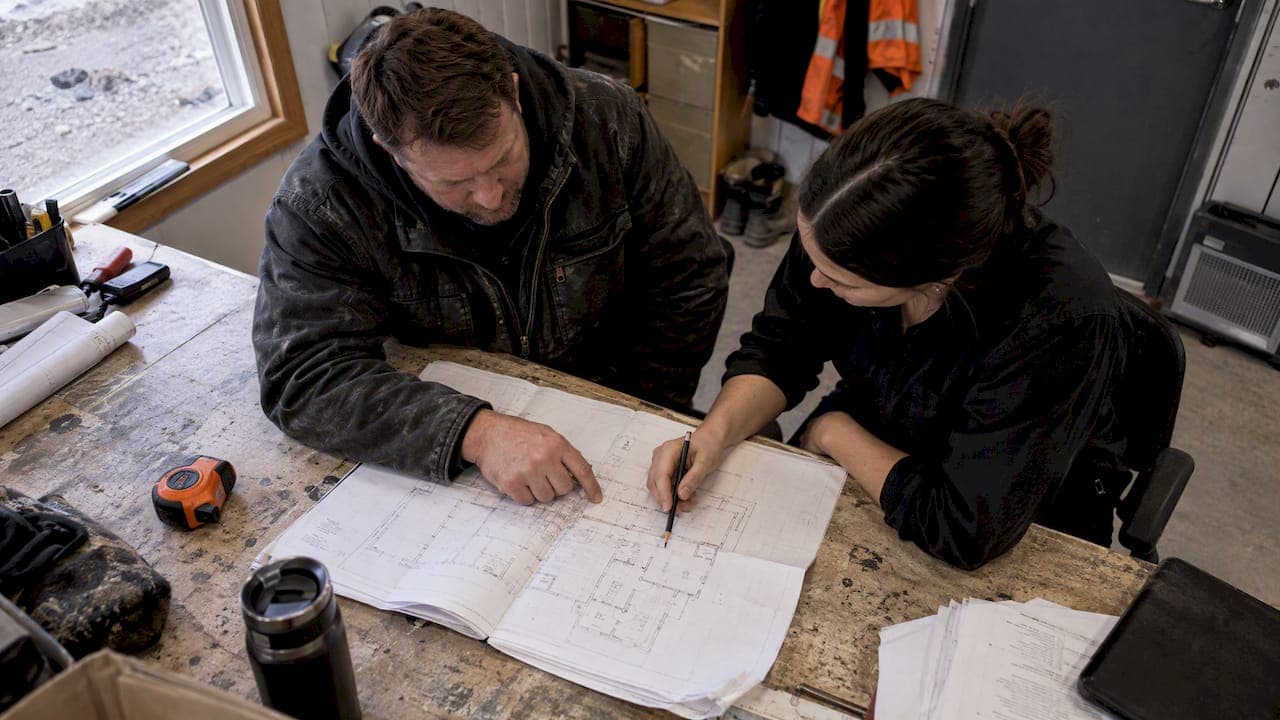
A builder low voltage package bundles the structured wiring, security rough-ins, and media infrastructure a new home needs before drywall goes up, and installing it at framing instead of after move-in typically avoids expensive retrofit work. The three components you'll see in nearly every package are a structured media enclosure, Ethernet and coax drops, and security camera prewires. Getting this scope locked into your bid documents early keeps schedules intact and protects your margin.
TL;DR:
- Leviton recommends at least two UTP cables and two coax runs per location for higher grade installations, providing spare capacity without another service visit.
- JupiterAV estimates framing stage installation costs 40 to 60% less than retrofit work; late drop requests can require cutting and patching finished walls.
- Any 120V connection, including a media cabinet outlet or exterior camera power, requires a licensed electrician and permit; check local rules before using mud rings.
- Bid documents should list room by room drop types, conduit locations, panel placement, cable labels, equipment responsibilities, and require tested drop reports before sign off.
Table of Contents
- Standard components in a builder low voltage package
- Prewire checklist and timing: framing versus trim
- Tooling and install kits subcontractors bring to site
- Costs and budgeting for low voltage packages
- Specifying low voltage scope in contracts and bid documents
- Coordination with trades, permits, and code
- Why builders lean on a single low voltage partner
- Request a builder low voltage package quote
- FAQ
- Sources
Standard components in a builder low voltage package
A complete package gives you a checklist you can hand straight to your low voltage trade and compare against their quote. At minimum, expect these line items:
- A structured media enclosure (the hub where all low voltage cabling terminates)
- Cat6 or Cat6A data drops at each workstation, TV location, and access point
- RG-6 coax runs for cable or satellite feeds
- Speaker prewires for ceiling or in-wall audio zones
- Security camera rough-ins with conduit to exterior mounting points
- Doorbell and intercom data runs
- Empty conduit with pull strings at locations likely to need future upgrades
Beyond the base package, builders commonly offer upgrades: whole-home audio prewire, home theatre prewire with extra speaker and power conditioning runs, and motorized shade wiring. For cable grade, Leviton's residential installer guide recommends running at least two UTP and two coax cables per location for higher-grade installations, which gives the homeowner spare capacity without a second truck roll. A practical ethernet wiring guide can help you translate that into actual drop counts per room type.
Prewire checklist and timing: framing versus trim
Running cable at framing, before insulation and drywall close up the walls, is the single biggest lever a builder has over low voltage cost. A sequenced checklist keeps your trades aligned:
- Confirm drop counts per room with the homeowner or design team before rough-in starts.
- Set device heights: data and coax at outlet height, speaker leads at ceiling boxes, camera conduit stubbed above the eave line.
- Use mud rings rather than electrical boxes for low voltage terminations where your local authority permits it, per Leviton's installer guidance.
- Run empty conduit with labelled pull strings to any location flagged for future upgrades.
- Keep low voltage cabling in separate stud bays from AC wiring to limit interference.
- Leave a service loop at the media enclosure for every cable, so a future device swap doesn't mean opening drywall.
For motorized shades, run 18/2 wiring to each location, a reliable spec for runs up to 50 feet, as detailed in this motorized shade prewire guide. Framing-stage installs save an estimated 40 to 60% compared to retrofitting the same scope after drywall, according to JupiterAV's builder prewire checklist, largely because retrofits require cutting and patching finished surfaces.
Pro Tip: Photograph every stud bay before insulation goes in, labelled with room and drop type. It saves hours when trim trades need to locate a cable six months later.

Tooling and install kits subcontractors bring to site
Knowing what your low voltage trade supplies versus what you should have on hand keeps labour hours predictable. Most contractors arrive with:
- A twisted-pair installation kit: stripper, crimper, punchdown tool, and modular plugs, the standard loadout documented in Klein Tools' twisted pair kit
- Low voltage mounting templates and drywall mud rings
- A media panel electrical install kit for terminating and organizing the enclosure
If you supply mud rings, conduit, and pre-labelled pull strings ahead of rough-in, you cut the trade's setup time on-site. An in-wall low voltage cable kit is a common example of the small install items used to finish terminations around HDMI, coax, and data runs. One safety note worth repeating to every crew on-site: low voltage tools and testers are never rated for energized 120V line-voltage circuits, and mixing them up is a liability problem, not just a workmanship one.
Costs and budgeting for low voltage packages
Price swings on a handful of variables: drop counts, camera count, cable grade, how much conduit is specified, labour rates, and whether active networking equipment is included in the bid or billed separately.
- Present two allowance lines in your estimate: a base prewire allowance and a separate trim-out allowance for faceplates, jacks, and active equipment.
- Flag late design changes as a likely cost driver; adding a drop after drywall is up costs far more than one requested at framing.
- Treat retrofit requests and any added 120V tie-ins (camera power, media panel outlets) as change-order territory, not scope creep absorbed into the original bid.
Specifying low voltage scope in contracts and bid documents
Vague scope language is where disputes start. Build your bid documents around items a trade can quote against and a builder can verify at handover.
- List drop counts by room and by type (data, coax, speaker, camera).
- Specify conduit runs and pull-string requirements for any future-use location.
- Name the media enclosure's location and required clearances.
- Set a labelling and termination standard for every cable end.
- Define who supplies faceplates, jacks, and active equipment versus the trade.
- Require a tested-drop report and a short on-site demonstration before sign-off.
Clear acceptance criteria, tested drops, consistent labelling, and a walkthrough, prevent the "it works on my device" argument that stalls handover, a point echoed in practitioner guidance on TIA standards.
Coordination with trades, permits, and code
Low voltage wiring itself usually isn't regulated the way 120V circuits are, but the two intersect more than builders expect.
- Any 120V tie-in, a powered outlet inside the media cabinet or weather-rated power for an exterior camera, needs a licensed electrician and a permit.
- Confirm with your local authority whether mud rings are acceptable in place of full electrical boxes for low voltage terminations before your trade starts rough-in.
- Sequence the electrician's rough-in and the low voltage trade's rough-in together to avoid reopening a wall for a missed outlet.
Why builders lean on a single low voltage partner
A single point of contact for design, prewire, installation, and service cuts the coordination overhead that otherwise falls on your superintendent. Prewire discipline, following a consistent checklist on every lot, reduces change orders and keeps closing dates intact. The scope language and run recommendations above come from exactly that kind of checklist discipline applied project after project.
— JupiterAV
Request a builder low voltage package quote
We design, prewire, install, and support low voltage packages, which means your superintendent deals with one team instead of chasing separate security, networking, and audio trades. Our scope covers everything from the structured media enclosure to camera rough-ins, motorized shade wiring, and whole-home audio prewire, specified against the same acceptance criteria outlined above.

When you request a quote, ask for it broken into specific line items: drop counts per room, conduit and pull-string locations, media panel placement, and a commissioning test report at handover. That level of detail is what keeps your bid accurate and your closing date protected.
Reach out through JupiterAV to get a builder package estimate scoped to your floor plan.

FAQ
What is the cheapest way to build a house in Ontario?
Cost control on a new build comes mainly from locking scope early and avoiding mid-construction changes, including on low voltage systems, since altering wiring after drywall closes up a wall is far more expensive than specifying it correctly at framing. Builders who bundle structured wiring into the original bid, rather than treating it as an afterthought, generally avoid the retrofit costs that drive budgets over.
What is the new name for low voltage?
"Low voltage" is still the standard industry term, though some technicians and suppliers now call it "structured cabling" or "structured wiring" when referring to the data, coax, and audio/video runs specifically. The terms describe the same category of wiring that operates below the voltage thresholds requiring a licensed electrician for most jurisdictions.
Is there a code for low voltage wiring?
Low voltage cabling is typically governed by industry standards like those from the Telecommunications Industry Association rather than the same electrical code that applies to 120V wiring, though requirements vary by jurisdiction. Any point where low voltage work ties into a powered circuit, such as a media panel outlet, falls back under standard electrical code and requires a licensed electrician and permit.
What is a low voltage electrical contractor?
A low voltage electrical contractor installs and terminates data, coax, audio, security, and automation wiring in a home or building, work that's distinct from the 120V electrical work a licensed electrician handles. On a build site, the two trades often coordinate closely, especially at media panels or any location where low voltage equipment needs powered outlets.
Sources
- Leviton basic residential installer guide
- Klein Tools twisted pair installation kit
- Commercial Electric in-wall low-voltage installation cable kit
- Hexatronic: understanding TIA standards and installer perspectives