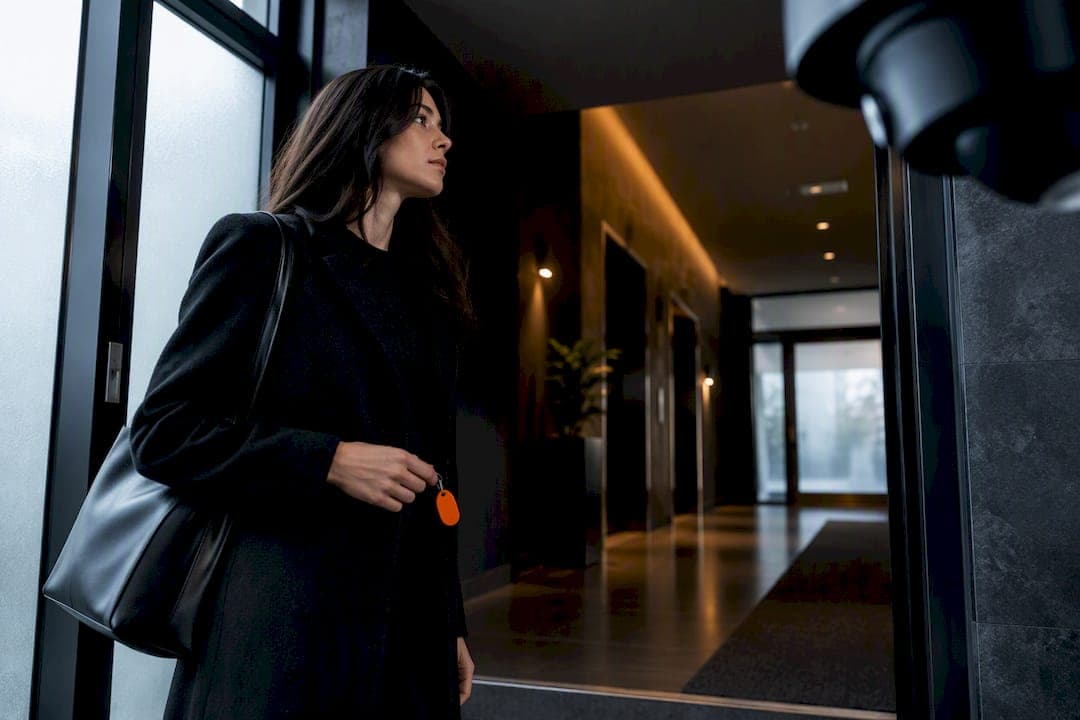
Yes, you can install and use security cameras in Alberta, but PIPA governs how you collect and handle footage, and the Criminal Code restricts audio recording. Tenants need to check their lease and get landlord sign-off before drilling or wiring anything, and condo residents need board approval for common areas. Confirm your permissions and post clear signage before your camera ever starts recording.
TL;DR:
- Cameras aimed solely at your property and not capturing neighbors' private spaces comply better with privacy laws and reduce risk of complaints.
- Hardwired installations requiring drilling or wiring must be approved in writing by landlords or condo boards to avoid lease violations or board disputes.
- Disabling audio on residential cameras is strongly recommended, as recording private conversations without consent may violate the Criminal Code and lead to criminal charges.
- Public areas like hallways or lobbies in condos need clear purpose, signage, and board approval, with footage use limited strictly to security reasons.
- Registering your camera with the RCMP's CAPTURE program is voluntary; it helps police during investigations but does not grant automatic access to recordings.
Table of Contents
- Which Alberta and federal laws govern home and building surveillance
- What renters in Alberta must know before mounting a camera
- Why condo common areas face stricter camera rules
- Why audio recording carries more legal risk than video
- How to handle footage lawfully once your camera is running
- A practical checklist for privacy-first camera setup
- Primary statutes, OIPC guidance and orders to consult
- Balancing security with privacy in your own home
- Security and smart home installation in Calgary
- Sources
- FAQ
Which Alberta and federal laws govern home and building surveillance
Three legal frameworks decide what is allowed, and they apply differently depending on who owns the property and who is recording.
The Personal Information Protection Act is Alberta's private-sector privacy law, and it applies whenever an organization, including a condo corporation, a landlord or a business, collects images of identifiable people through cameras. PIPA requires a reasonable purpose for collecting footage, reasonable notice to the people being recorded, and reasonable safeguards for storing that footage. Security is a purpose PIPA generally accepts, but using the same footage for something else, like enforcing a bylaw unrelated to safety, can cross the line.
The Criminal Code, section 184 sits above PIPA and applies everywhere in Canada. It makes it an offence to knowingly intercept a private communication without consent, and that includes audio picked up by a security camera in a place where people reasonably expect privacy.
Public bodies, like municipalities and police services, follow a different set of rules under provincial freedom-of-information legislation rather than PIPA. A homeowner or a private landlord in Alberta will almost always fall under PIPA, not that public-sector framework.
- PIPA governs private-sector collection, use and notice for camera footage.
- Criminal Code s.184 restricts audio interception regardless of property type.
- Public body rules apply to government and police cameras, not typical residential setups.
- OIPC guidance interprets how these rules play out in real installations.
What renters in Alberta must know before mounting a camera
Renters have real options, but the type of installation determines whether written permission is required.
Anything that changes the structure of the unit, drilling into siding, running new wiring through walls, or mounting a hardwired doorbell camera, usually needs written consent from the landlord. Most standard leases treat unauthorized alterations as a breach, and unapproved holes or wiring can turn into a deduction from your damage deposit. Non-permanent options, like adhesive mounts, tension-mounted cameras or plug-in units that use an existing outlet, are more often acceptable, but the safest move is still to check your lease wording rather than assume.
- Reread your lease for clauses on alterations, security devices or common-area equipment.
- Send a written request to your landlord describing the camera, its location and whether it requires drilling or wiring.
- Keep the signed approval or the email thread confirming permission, along with photos of the installation area before and after.
- Plan for move-out by budgeting time to remove hardware, patch holes and restore the unit to its original condition.
At move-out, landlords can typically charge for unrepaired holes or leftover wiring, so keeping dated photos and your written approval protects you if there is a dispute over what was already there.
Why condo common areas face stricter camera rules

A condo corporation counts as an organization under PIPA, which means it has the same notice and purpose obligations as any other business collecting personal information. Cameras aimed at hallways, elevators, parkades or lobbies almost always require board approval, a documented purpose, and signage before residents or visitors enter those areas.
The Office of the Information and Privacy Commissioner of Alberta has ruled on cases where boards went further than their stated purpose. In Order P2024-05, the OIPC found that a condominium's collection and disclosure practices exceeded what was reasonable once footage was used beyond its stated security purpose. A related finding, Order P2016-02, addressed a board that made surveillance footage available to all tenants without a clear justification, which the adjudicator found contravened the act.
- Condo boards must state a specific purpose for common-area surveillance, not a general one.
- Broad disclosure of footage to tenants, without cause, has been found to breach PIPA.
- Residents can request information on why a camera exists and how footage is used.
- A complaint can be filed with the OIPC if a board will not answer those questions.
Why audio recording carries more legal risk than video
Video alone rarely triggers criminal exposure in a residential setting, but audio is a different story. Criminal Code section 184 makes it an offence to knowingly intercept a private communication, defined broadly as any oral communication made under circumstances where the speaker could reasonably expect it would not be overheard by anyone outside the conversation.
- Indoor microphones can pick up conversations between household members or guests who never consented to being recorded.
- Cameras near windows or shared walls risk capturing conversations from a neighbour's property.
- Condo hallway or elevator cameras with audio can record tenants speaking privately, which is exactly the kind of setting the Criminal Code targets.
Interception of a private communication without consent is an indictable offence under the Criminal Code. That single fact is why most installers recommend disabling audio entirely on residential and common-area cameras unless there is a specific, documented reason to keep it on.
If audio is genuinely necessary, get express consent from anyone who could reasonably be recorded and keep a written record of that consent. Skipping this step risks both a criminal complaint and a separate privacy complaint to the OIPC over how the footage, audio included, was collected and used.
How to handle footage lawfully once your camera is running
Recording legally is only half the job. PIPA also sets expectations for what you do with the footage afterward.
Signage should state the purpose of the camera and give a contact person for questions or access requests, placed where someone would see it before entering the monitored area, at a front entrance, elevator lobby or parkade gate. Footage should only be used for the purpose stated on that sign: security monitoring, not settling a noise complaint or building a case against a specific tenant unrelated to safety. Individuals generally have a right to request footage that shows them, and organizations have a duty to protect stored recordings and, where reasonably able, sever any third-party personal information before releasing it.
- Post signage before the monitored area, stating purpose and a contact.
- Limit footage use strictly to the security purpose you disclosed.
- Respond to access requests and sever third-party details where reasonably possible.
- Protect stored footage with encryption or restricted access controls.
Some Alberta residents also register their cameras with the RCMP's CAPTURE program, a voluntary registry that helps police locate nearby footage during an investigation. Participation does not hand your recordings to police automatically. It simply flags that your camera exists, and police still need to request footage directly from you.
Pro Tip: Keep a short written log of every time you share footage, whether with police, a landlord or a neighbour, so you can show PIPA-compliant purpose limitation if anyone ever asks.
A practical checklist for privacy-first camera setup
Turning the law into daily habits is simpler than it sounds once you know the checkpoints.
- Angle cameras away from neighbouring windows, yards and shared entryways, keeping your field of view on your own property. Our guide to security camera placement walks through common problem angles.
- Disable audio by default and turn it on only when you have a documented reason and consent.
- Use motion zones and shorter retention windows so footage does not pile up longer than your stated purpose requires, a step covered in more detail in our four-step privacy guide.
- Post signage at entry points, elevator lobbies or parkade gates, not just at the camera itself.
- Hire a professional installer for wiring, network video recorder setup and access controls when the project involves drilling, running cable or managing multiple users. Ask any installer how footage is encrypted, who has login access and how long footage is retained by default.
Pro Tip: Before your installer arrives, walk the property and note which angles might capture a neighbour's yard or window, then ask them to build a privacy mask into those zones during setup. Homeowners planning a larger layout can also read our breakdown of privacy zones that hold up over time, and check general CCTV installation costs in Alberta before budgeting a project.
Primary statutes, OIPC guidance and orders to consult
For the original legal text and enforcement history, start with the Personal Information Protection Act, Criminal Code section 184, and the OIPC's video surveillance guidance.
- PIPA on Alberta.ca sets out the statutory obligations for private-sector organizations.
- Criminal Code s.184 defines the offence tied to intercepting private communications.
- OIPC video surveillance guidance explains notice, purpose limitation and signage in practice.
- OIPC orders, including cases involving condo corporations, show how these rules get applied to real disputes.
For general equipment and installation background beyond Alberta's legal requirements, the security camera buying guide from Safes and Security Solutions covers equipment basics worth knowing before you shop.
Balancing security with privacy in your own home
Many privacy complaints arise from cameras aimed too widely, audio settings left on by default, or unexamined lease clauses before installation. The law in Alberta is not designed to stop you from protecting your home. It is designed to make sure the person next door, the tenant down the hall or the visitor at your door was not recorded without a reasonable, stated purpose.
The fix is almost always upfront: narrow your camera's field of view before you mount it, turn audio off until you have a real reason to turn it on, and keep a paper trail of every permission you were given. Good installation habits and legal compliance turn out to be the same habits.
— JupiterAV
Security and smart home installation in Calgary
If reading through PIPA, the Criminal Code and OIPC orders makes you want someone else to handle the technical side, hiring a professional installer can help Calgary homeowners, businesses and builders manage the project. Our Security & CCTV service covers the parts that are hardest to get right on your own: wiring that respects lease and building rules, camera placement that keeps neighbouring properties out of frame, and network video recorder setups with proper access controls and encrypted storage. Some companies offer to work as a single point of contact from planning through installation, to avoid the need to compare different vendors for cameras, wiring and storage. Projects that also touch smart lighting, motorized blinds or a home theatre may be handled in the same visit. Get in touch through Jupiterav to talk through your property and what a compliant, professionally installed camera system would look like.
This article is general information, not a substitute for advice from a qualified lawyer. Consult a qualified legal professional about your own circumstances before acting on anything here.
Sources
- Alberta
- Criminal Code (R.S.C., 1985, c. C-46) — section 184
- Order P2024-05 | Office of the Information and Privacy Commissioner of Alberta
FAQ
Can I point my security camera at my neighbours?
Aiming a camera directly at a neighbour's window, yard or private entryway raises a real risk of a privacy complaint under PIPA, since it can capture identifiable images of people without a security purpose tied to your own property. Angle cameras so they cover your entry points and property line without including your neighbour's private spaces.
Am I allowed security cameras on my property?
Yes, homeowners and tenants in Alberta can generally install security cameras on their own property, provided the collection and use of footage follows PIPA's notice and purpose requirements. Tenants should also confirm any lease restrictions on drilling or wiring before installing a hardwired unit.
Do you have to tell someone there is a camera in your home?
There is no blanket legal requirement to warn every visitor about an indoor camera in a private residence, but posting signage is standard practice and required in shared or common areas under OIPC guidance. For guests recorded with audio, get their consent given the restrictions under Criminal Code section 184.
Can you have security cameras in your backyard?
Yes, a camera covering your own backyard is generally allowed, as long as it is not primarily capturing a neighbour's yard, deck or windows. Keep the field of view on your own property line to stay within PIPA's reasonable-purpose standard.
What happens if I break Alberta's camera surveillance rules?
Breaching PIPA can lead to an OIPC investigation, an order requiring you to change your practices, and reputational or legal exposure, as seen in cases like Order P2024-05. Separately, recording private conversations without consent can expose you to criminal liability under Criminal Code section 184.